KNOW PEACE
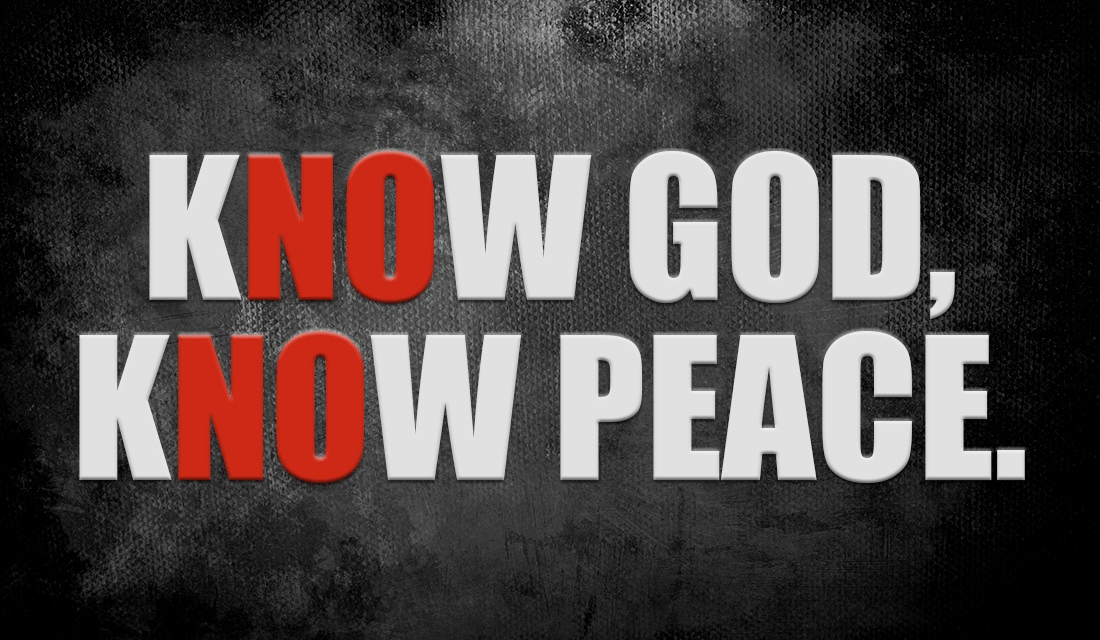
Those two words became my philosophy while writing this book. Know Peace. Simple statement. Complicated meaning. It serves as both aspiration and challenge, asking whether we truly understand what peace requires.
Most people say they want peace. They want to live without violence, raise children safely, and build communities where threat does not dominate daily life. But when you examine how peace actually functions, the complications emerge. Peace requires more than the absence of violence. It demands different approaches to conflict, power, and human disagreement.
The phrase Know Peace suggests that peace is not our default state. We do not automatically understand it just because we dislike violence. Knowing peace means studying it, practicing it, choosing it repeatedly, even when other options seem easier. It means recognizing that peace is active work, not passive absence.
Writing ‘The Drug Against War’ forced me to think about this distinction. The novel presents a scenario where violence becomes neurologically impossible. Does that create peace? Or does it simply remove one tool while leaving all the conditions that generate conflict intact? If people still feel anger, fear, and competition but cannot express those feelings through physical aggression, have we achieved peace or just suppressed one symptom?
True peace probably requires addressing why violence emerges in the first place. Competition for resources. Power imbalances. Historical grievances. Fear of threat. Religious or ideological differences. A compound eliminating violent impulses does not resolve these underlying issues. It just changes how they manifest.
That realization shaped the novel’s ethical ambiguity. PX 43 could transform humanity or become another tool of control. It could liberate us from our most destructive patterns or strip us of agency to choose our responses. The book does not declare which outcome is correct because I am not certain myself.
Know Peace also acknowledges that peace looks different across cultures, contexts, and individual circumstances. What feels peaceful to someone with power and security might feel like oppression to someone without those advantages. A stable system maintaining inequality through non-violent means is not the same as genuine peace built on justice and mutual respect.
As I wrote, I kept returning to the question: do we actually want the peace we claim to seek? Or do we want conditional peace, where we remain safe but retain options for justified force? The more I explored this, the more I understood why peace remains elusive despite being universally praised. We want it, but we want it on our terms, preserving our power and protecting our interests.
Know Peace became a challenge to me as much as to readers. Study what peace actually requires. Understand why it is difficult. Recognize the costs of choosing it. Stop treating peace as a vague ideal and start examining it as a specific practice demanding intention, sacrifice, and commitment.
The novel asks readers to sit with uncomfortable questions. I hope the phrase Know Peace lingers beyond the final page, prompting thought about what peace means and whether we are willing to do the work it requires.